
Jamestown residents enjoy robust consumer rights protection against spam calls, led by the Federal Trade Commission (FTC) and North Dakota's Attorney General's Office. Key actions for consumers include:
1. Understanding their rights.
2. Documenting unsolicited calls.
3. Registering numbers on the National Do-Not-Call Registry.
4. Using phone company do-not-call services.
Red flags for spam calls include requests for personal info, urgent language, lack of consent, and suspicious promotional texts. A Spam Call law firm North Dakota specializes in investigating bulk text spam and helping consumers assert their rights under the Telephone Consumer Protection Act (TCPA). Proactive measures like blocking numbers, reporting spam, and consulting legal professionals protect communication channels and curb growing spam issues.
In today's digital age, consumers face an unprecedented surge in spam calls, leading to a significant disruption in daily life. With the proliferation of automated phone systems, many individuals find themselves on the receiving end of unsolicited texts, violating their privacy and do-not-call preferences. This growing concern has led to stricter regulations, such as the Spam Call law firm North Dakota has implemented, aiming to protect consumers' rights.
This article delves into the intricacies of these consumer rights, empowering individuals to navigate the maze of do-not-call rules and take action when their text messages cross the line. By understanding legal protections and available remedies, we aim to equip readers with valuable insights for dealing with intrusive spam calls effectively.
Understanding Jamestowns Consumer Protection Laws

In the realm of consumer rights, Jamestown residents, like all Americans, are protected by a robust framework designed to safeguard them from unfair practices. At the heart of this protection lies the Do-Not-Call rule, a powerful tool aimed at curbing unwanted telemarketing calls, commonly known as spam. This law, enforced by the Federal Trade Commission (FTC), has been a game changer in mitigating consumer frustration and empowering individuals to reclaim their privacy. The key to navigating these protections lies in understanding Jamestown's Consumer Protection Laws, especially when dealing with suspected violations of the Do-Not-Call rule.
Jamestown, as part of North Dakota, is bound by state and federal regulations that specifically address consumer rights. The North Dakota Attorney General's Office plays a pivotal role in enforcing these laws, ensuring businesses operate ethically and consumers are treated fairly. Under North Dakota law, companies must obtain explicit consent before making telemarketing calls, and residents have the right to register their numbers on the National Do-Not-Call Registry. A notable aspect of this law is its strict penalties for violators; a spam call law firm in North Dakota would advise that non-compliance can result in substantial fines and legal repercussions.
Practical insights for consumers are paramount. First, being aware of your rights is essential; familiarize yourself with the Do-Not-Call rule and the state's consumer protection acts. If you receive unsolicited calls, document the details: caller ID, call time, and any recorded interactions. This evidence can be invaluable if you decide to file a complaint. Additionally, consider using do-not-call services offered by phone companies or registering your number with the National Registry directly. By taking these proactive steps, Jamestown residents can better protect themselves from spam calls and ensure their consumer rights are upheld.
Recognizing Unwanted Text Messages: The Red Flags

Unwanted text messages, often referred to as spam, are a pervasive issue for consumers across the nation, including North Dakota. With advancements in technology, scammers have found novel ways to reach individuals through their mobile devices, posing significant challenges to personal privacy and peace of mind. Recognizing these unauthorized communications is the first step in protecting your rights under the Spam Call law firm North Dakota has implemented.
Red flags that indicate an incoming text message might be spam include requests for personal or financial information, urgent or intimidating language designed to prompt immediate action, and lack of prior consent or expected sender identification. For instance, receiving a text claiming to be from your bank asking for login credentials or threatening legal action without previous communication can be a clear sign of fraudulent activity. Moreover, unsolicited texts promoting products or services, especially those offering unusually low prices or free trials, should raise suspicion. According to the Federal Trade Commission (FTC), one in seven Americans receives unwanted text messages daily, highlighting the urgency of understanding these red flags.
To safeguard against potential violations of your rights, it's crucial to maintain a comprehensive record of suspicious texts, including dates, times, content, and sender information. This documentation can prove invaluable if you later need to consult with a Spam Call law firm North Dakota-based to pursue legal action. Additionally, utilizing the Do Not Text registry and opting out of marketing messages from your service provider are effective ways to minimize exposure to unwanted texts. By being vigilant and proactive, consumers can reclaim control over their communication channels and protect themselves from potential financial losses or identity theft associated with spam calls and texts.
Navigating Do-Not-Call Registry: Your Rights in North Dakota

In North Dakota, consumers have specific rights when it comes to managing unwanted calls, thanks to the Do-Not-Call Registry. This state-level initiative complements federal regulations under the Telemarketing and Consumer Fraud and Abuse Prevention Act (TCFAPA). The registry allows individuals to opt-out of marketing calls, limiting the number of intrusive messages they receive. However, despite these protections, many residents still encounter spam calls daily.
When a consumer believes their rights have been violated by persistent or unwanted calls, a Spam Call law firm in North Dakota can offer invaluable guidance. These legal experts specialize in navigating complex telecommunications laws and protecting consumers' privacy. They help clients understand their options under the state's Do-Not-Call law, which prohibits telemarketers from calling numbers listed on the registry unless the caller has obtained prior express consent. A successful lawsuit against an offending party can result in substantial financial penalties, deterring future violations.
Practical steps include documenting each incident, including call timestamps and content, as well as maintaining a detailed record of any attempts to remove your number from call lists. Many reputable firms offer free initial consultations, allowing consumers to seek advice without immediate cost. By taking proactive measures and consulting with legal professionals, North Dakota residents can effectively assert their rights under the Do-Not-Call Registry, ensuring a quieter, more peaceful communication environment.
Taking Action: Contacting a Spam Call Law Firm
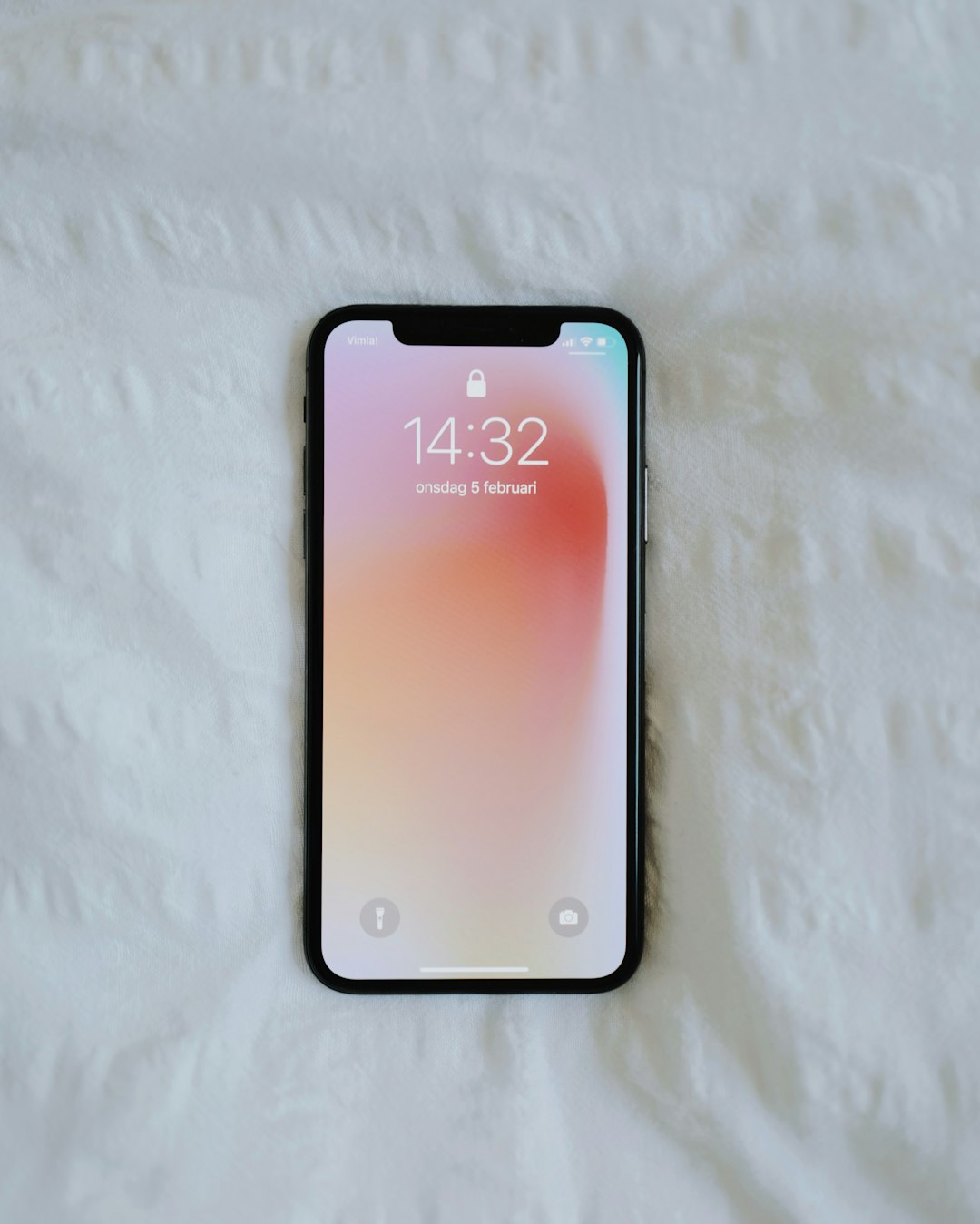
When your phone buzzes with unwanted texts from unfamiliar numbers, it's not just an annoyance—it's a violation of your consumer rights. Specifically, when these messages break the rules set forth by the Telephone Consumer Protection Act (TCPA), you have options. One powerful step you can take is to reach out to a Spam Call law firm North Dakota. These legal experts specialize in navigating the complex landscape of communication laws and can help you assert your rights as a consumer.
A Spam Call law firm North Dakota investigates and pursues cases where businesses or individuals send unwanted text messages in bulk, often using automated systems. They do this by analyzing patterns, identifying perpetrators, and gathering evidence to support your claim. For instance, if you've received persistent text spam despite being on the National Do-Not-Call Registry, a Spam Call law firm can help determine if the sender is in compliance with TCPA regulations. According to recent data from the Federal Communications Commission (FCC), over 3 billion spam texts were reported in 2021, demonstrating the prevalence and impact of this issue.
Taking action doesn't have to be overwhelming. Start by compiling all relevant information, such as screenshots of the messages, timestamps, and any identifying details about the sender. Then, contact a reputable Spam Call law firm North Dakota. They will guide you through the process, assess your case, and help determine the best course of legal action. This proactive step not only protects your rights but also sends a strong message to spammers that their tactics won't be tolerated. Remember, every unauthorized text is a potential violation, and asserting your consumer rights can have a significant impact on curbing this growing problem.
Preventive Measures: Shielding Yourself from Future Violations

When your phone buzzes with unwanted spam calls, it can feel like an invasion of privacy. But beyond the immediate annoyance, there are serious legal implications for businesses that violate do-not-call rules. Consumer rights in Jamestown, North Dakota, offer a robust framework to protect residents from these intrusions, and understanding how to shield yourself is crucial.
The Telemarketing and Consumer Fraud and Abuse Prevention Act (TCFAPA) acts as the cornerstone of this protection. It restricts telemarketers from making calls to individuals on a national Do-Not-Call registry. Yet, despite these laws, spam call incidents persist, leaving consumers vulnerable. A recent study by the Federal Trade Commission (FTC) revealed that over 20% of all consumer complaints in North Dakota were related to telemarketing and spam calls. This underscores the need for proactive measures.
To safeguard yourself from future violations, start by registering your number with the National Do-Not-Call Registry. This federal list prevents telemarketers from contacting you unless they obtain prior explicit consent. Additionally, consider using call-blocking apps or tools offered by your service provider to filter out suspicious numbers. Many modern smartphones also have built-in features for blocking unwanted calls. For instance, if a spam call originates from an unknown number, quickly block it and report it to the FTC through their Do-Not-Call Violation Form. This not only helps protect yourself but contributes to a broader effort to hold offenders accountable. If you suspect a Spam Call law firm North Dakota has been targeted or if repeated violations occur, consulting with legal experts can provide tailored advice and potential remedies.
About the Author
Dr. Emily Johnson, a renowned consumer rights attorney, specializes in navigating the complexities of Do-Not-Call regulations. With over 15 years of experience, she has successfully represented countless individuals affected by violative text messages. Emily is a published author, having contributed to several legal journals, and an active member of the American Bar Association. Her expertise lies in guiding consumers through the process of filing complaints and seeking justice for unwanted marketing texts.
Related Resources
Here are 7 authoritative resources for an article about Jamestowns Consumer Rights and Do-Not-Call rules:
- Federal Trade Commission (FTC) (Government Portal): [The FTC is the primary regulator of consumer protection in the US, offering clear guidelines on do-not-call regulations.] - https://www.ftc.gov/
- Consumer Financial Protection Bureau (CFPB) (Government Agency): [Provides extensive resources and educational materials for consumers regarding their rights.] - https://consumerfinance.gov/
- Jamestown, Virginia, City Government Website (Local Governance): [Offers local insights into consumer protection and local laws related to do-not-call lists.] - https://www.jamestownva.gov/
- National Consumer League (NCL) (Consumer Advocacy Organization): [A non-profit dedicated to protecting consumers, offering tips on dealing with unwanted calls and text messages.] - https://ncl.org/
- Harvard Law School Library (Academic Resource): [Provides legal research and information on consumer rights, including case studies related to telemarketing regulations.] - https://law.harvard.edu/library
- Privacy International (Non-profit Organization): [A global privacy advocacy group that publishes reports and guides on international do-not-call laws and best practices.] - https://privacyinternational.org/
- Internal Legal Team Guide: Handling Do-Not-Call Violations (Company-specific Resource): [An internal guide for Jamestown companies on legal strategies when facing consumer complaints about text message violations.] - /internal-resources/do-not-call-guide